.png)
Should WhatsApp Marketing Lead to Chat or Phone Call?
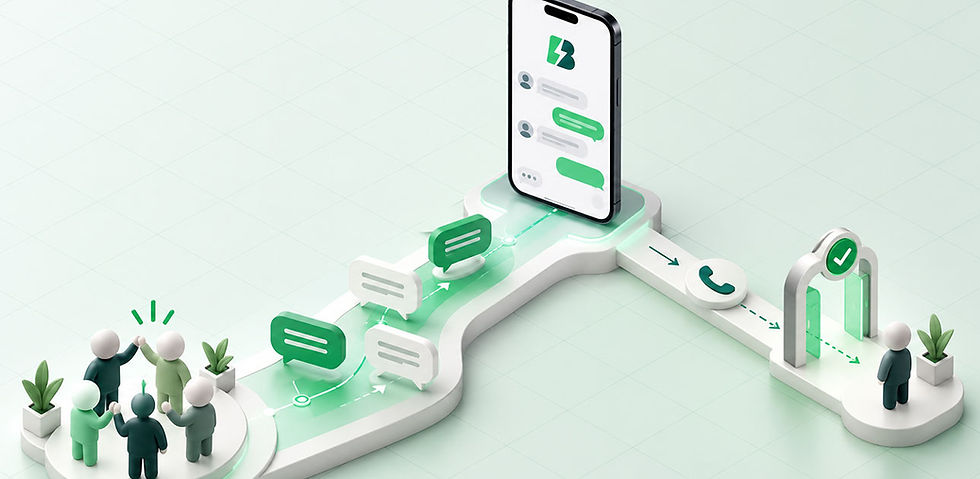
For most leads, lead to a chat first and offer a phone call only when the situation calls for it. Chat is lower pressure, easier to reply to and keeps a written record. A call works better for high-value, complex or urgent sales, but only after the person has agreed to it. Pushing a cold lead straight to a call is a good way to lose them.
The best answer isn't "chat" or "call." It's a sequence: start in chat, earn trust, then move to a call when the sale needs one.
Why Chat Should Come First
It matches how people already use WhatsApp
People open WhatsApp to message. A reply they can answer in ten seconds, whenever suits them, fits how they already use the app. A phone call demands attention right now, and for a stranger who clicked an ad, that feels like a big ask.
It's easier to say yes to
Replying "ok boleh" takes almost no effort. Agreeing to a call means stopping what you're doing, finding somewhere quiet and talking to someone you don't know. A low-effort first step keeps more people in the conversation.
It leaves a record
A chat shows exactly what was said: the price quoted, the delivery time promised, the product the customer chose. That protects you and the customer if there's ever a disagreement. A phone call leaves nothing unless someone writes it down afterwards.
It lets you answer at scale
One person can hold many chats at once. One person can only be on one call at a time. For a small team handling many leads after a promotion, chat is the only approach that doesn't create a queue.
It's less intrusive
An unexpected call from a business number can feel like the kind of call people screen. A message can be read when convenient and ignored without awkwardness. That keeps the relationship friendlier, and keeps your number's reputation healthier.
When a Phone Call Wins
Chat isn't always the best tool. These are the situations where a call tends to work better.
High-value purchases. For a large order, a contract or a service costing thousands, people often want to hear a human voice before they commit.
Complex needs. If the customer's situation takes ten messages to explain, five minutes on a call may resolve it faster than a long thread.
Trust problems. If a lead keeps hesitating or asks "is this real?", a call can reassure in a way text can't.
Urgent matters. A delivery problem or a time-sensitive order is often better handled by a quick conversation.
The customer asks for one. If they say "can I call you?" or "boleh call?", say yes. They're telling you how they want to buy.
Lead is clearly ready. Someone who has asked detailed questions and is close to deciding may welcome a call to finish things off.
When a Call Is the Wrong Move
Cold leads. Someone who just clicked an ad and sent one message isn't ready for a call. Asking for one too early can end the conversation.
Low-priced, simple products. For a RM30 item with a clear price and photo, a call is overkill. Chat does the job.
Leads who prefer text. Some people never answer calls. If a lead replies to messages but ignores a call request, stay in chat.
Outside normal hours. Don't call early morning, late evening or during prayer times unless the customer has asked you to.
When they haven't agreed. Which brings us to the most important rule.
Always Ask Before You Call
A WhatsApp number given for chat isn't automatic permission for a phone call. Someone who messaged you about a product agreed to chat. A surprise call can feel invasive, and an unwelcome call can lead to the number being blocked or reported.
Ask first. Keep it short and give the person an easy way to say no:
"Kalau senang, saya boleh call 5 minit untuk terangkan dengan lebih jelas. Waktu mana sesuai untuk awak? Kalau lebih selesa chat je pun okay."
That gives them control over the whether and the when, and it makes the call far more likely to go well.
How to Move From Chat to Call
The transition works best when it feels like a natural next step, not a sales tactic.
1. Answer in chat first. Show that you're helpful before you ask for anything.
2. Notice the signal. Longer questions, several follow-ups or a mention that something is complicated are all signs a call might help.
3. Offer, don't push. Suggest the call as a convenience for them: "Kalau lebih mudah, kita boleh bincang dengan call."
4. Let them choose the time. Offering two options works well: "Petang ni atau esok pagi?"
5. Confirm in chat. Once agreed, send a short message with the time, so both sides remember.
6. Summarise afterwards. After the call, send a quick chat recap of what you agreed: price, timeline, next steps. That gives you the written record a call lacks.
Where Voice Notes Fit
Voice notes are a useful middle ground. They're more personal than text, but the person can listen when convenient. Use them sparingly, and mostly for leads who've already spoken with you. Many people won't play a voice note from a business they barely know, so text stays the safer default for early messages.
A Simple Decision Guide
Situation | Best approach |
New lead, first contact | Chat |
Simple, low-priced product | Chat |
Warm lead, several questions asked | Chat, with an offer to call |
High-value or complex purchase | Offer a call, with their agreement |
Customer asks for a call | Call, at the time they choose |
Customer ignores call offers | Stay in chat |
Urgent problem with an order | Chat first, call if it needs it |
What This Means for Broadcasts and Promotions
If you send promotions through a WhatsApp broadcasting tool such as Blaster Pro, the message itself should lead to a chat, not a call. A broadcast is one-to-many, and a recipient who replies is saying "I'm interested." Respond in chat, build the conversation and offer a call only when it fits.
Keep in mind that broadcasts should go only to people who've opted in. Moving someone from a broadcast straight to a call adds another step they didn't agree to.
Mistakes to Avoid
Calling unannounced. The fastest way to turn a warm lead cold.
Asking for a call in your first message. Let the conversation breathe first.
Making the call the only option. Always leave the door open to continue in chat.
Skipping the recap. After any call, confirm what was agreed in writing.
Calling at awkward times. Respect working hours, meal times and prayer times.
Ignoring "text me instead." If someone prefers chat, that's the answer. Don't push.
FAQ
Should I call or message a WhatsApp lead first?
Message first in most cases. Chat is lower pressure and easier to reply to, and it keeps a written record. Offer a call later if the sale is complex, high-value or the customer asks for one.
Can I call someone who messaged me on WhatsApp?It's best to ask first. Someone who messaged you has agreed to chat, not necessarily to a phone call. A short message offering a call and letting them choose the time is the safer approach.
What kinds of sales suit a phone call?
High-value purchases, complex needs, leads who need reassurance, urgent problems and any customer who asks for a call. For simple, low-priced products, chat usually does the job.
How should I follow up after a call?
Send a short chat message summarising what you agreed, such as price, timeline and next steps. It gives both sides a written record and keeps the conversation moving.
Are voice notes better than calls?
They sit in between. Voice notes feel more personal than text without demanding the person's immediate attention. Use them sparingly with leads who already know you, and keep text as the default for first contact.


Comments